Crazy Time Live Casino Game Show: UK Guide
 Available in GB
Crazy Time is presented through a studio stream, while bets are placed through a separate on-screen interface.

Table of Contents
- How Crazy Time Fits into Online Live Casino
- What the Casino Format Means for Pace and Connection
- Casino Sites: Licensing and the Checks Behind the Interface
- Finding a Place to Play Without Confusing Live and Digital Games
- What “Best” Can Mean When Comparing Live Casinos
- Strategy Claims, Random Outcomes and the Limits of a Review
- Demo Play and What It Does—and Does Not—Establish
- Free Play, Free Spins and Live-Table Offers
- GamStop Searches and the Limits of What Can Be Verified
- Bonuses, Wagering Weight and the Small Print
How Crazy Time Fits into Online Live Casino
Crazy Time sits within a broader category: online live casino games. The defining feature of that category is not a particular theme or set of rules, but the way the game is presented. Gameplay is streamed in real time from a studio, where a human dealer conducts the game. Players use an on-screen interface to enter their bets. The video and the betting controls are parts of one online experience, but they do different jobs.
That distinction matters when considering Crazy Time online casino play. The game name may suggest a self-contained digital product, yet the live-casino format places it in a streamed setting. A screen shows the studio activity while a separate interface lets a player make a betting choice. The stream carries what is happening at the table or game area; the interface communicates the player’s selection. Neither should be mistaken for the other.
From the industry side, this arrangement solves a practical problem. A physical studio can host the game, while remote players watch the same session and submit decisions through their own devices. The dealer provides the human presence that defines the format. The interface provides the means to participate remotely. It is a hybrid: a real-time studio production delivered through software, rather than a game generated entirely on a player’s device.
That is the useful starting point for understanding an online casino Crazy Time experience in the UK. It does not, by itself, explain the game’s rules, what options appear on screen or how any particular round works. Those details belong to the game’s own instructions and the table interface. The broader live-casino description only establishes the setting: a studio stream, a human dealer and electronic betting controls.
The interface is more than decoration around the video. It is where a player’s choices are recorded and submitted. The stream lets the player follow the live presentation; the betting panel is the point at which participation is entered. In practical terms, that means attention is divided between two elements of the same screen. One shows the live event; the other handles the action taken by the player.
I have found that this separation is easy to overlook in promotional language. A game may be described as “live” because its presentation comes from a real-time studio, but the player is still interacting through a digital interface. It is not the same as sitting at a physical table and speaking directly to a dealer. The dealer is present in the streamed game; the remote player’s input reaches the game through the software.
For someone comparing Crazy Time online casinos, the broad format is therefore a more reliable first question than assumptions based on the title. Is the experience a live stream with a human dealer, or a computer-rendered game? In the live-casino category, the defining arrangement is the former. That tells a reader what kind of presentation to expect, without implying anything about particular features or rules.
The studio element also changes how the game is understood as a product. A digital game can be rendered on demand by software, while a live-dealer game presents activity taking place in a studio and carries it to remote viewers. The player sees a shared live presentation, then uses the interface to make a separate input. It is a simple division, but an important one: watching is not the same as betting, and the stream alone does not register a choice.

In the UK, live-dealer casinos are legal when they hold a licence from the UK Gambling Commission. That is the legal context for a live casino UK experience; it does not alter the mechanics of the studio format itself. The presentation remains a real-time stream with a human dealer, and bets are still entered through the on-screen controls. The licence is a condition of legal operation, not a description of how the game is played.
So, “Crazy Time casino online” describes a game encountered through an online casino setting, while “live casino” describes the mode of presentation. Keeping those ideas separate avoids reading more into the label than it says. The format explains who conducts the game and how remote participation is entered. It does not establish the game’s rules, outcomes or specific screen features. The distinction is plain, but useful.
What the Casino Format Means for Pace and Connection
A live casino game moves differently from a digital game. A human dealer and a streamed studio create a sequence that has to unfold in real time, rather than a result produced and displayed by software alone. That distinction affects the rhythm of play, the amount needed to join a table and the importance of a reliable connection. It applies to live casino games generally, including the format in which a player might look for Crazy Time, without establishing any particular rules or features for that title.
The pace is slower than in digital versions. There is a practical reason: a live game follows the actions taking place in the studio. The dealer has to conduct the game, and players enter their bets through the on-screen interface. The round therefore has a human rhythm. The pauses are part of the format, not necessarily a sign that anything has gone wrong.
That can feel more measured than a digital game. It also means that a rapid sequence of results should not be expected. In my experience of how these products are presented, the word “live” can suggest constant action, but the underlying service is a broadcast of a physical game with decisions and transitions that take time. More deliberate, not instant.
For a player moving between digital games and Crazy Time live casino tables, that change in rhythm can alter how long a session feels. Waiting for the next stage is part of the experience; it is not the same as setting the pace through repeated digital play. A slower round does not make the game less consequential. It simply changes the interval between decisions and results.
The financial threshold can change as well. Live games have higher minimum bets than digital versions. A table’s minimum is a condition of taking part, not a prediction of what a session will cost: the total still depends on how many bets are made and at what stakes. That is an important distinction. A low-pressure appearance on screen can sit alongside a higher entry point than a digital equivalent.
Before playing, a budget should be set and kept to. A fixed limit gives the session a boundary; the live format itself does not control spending. I would treat the table minimum as a practical constraint to understand before joining, rather than assume that a live table will accept the same small stake as a digital game. If the minimum does not fit the planned budget, the sensible choice is not to stretch that budget.
Connection is the third operating condition. Live play depends on a stable internet connection because the game is streamed in real time and bets are entered through an interface. When the connection is unreliable, following the broadcast and using the controls can become less dependable. That matters more here than in a format where the game runs entirely on the player’s device: the live experience relies on an ongoing link between the studio and the screen.
Attention: Live casino play depends on a stable internet connection because the game is streamed in real time and bets are entered through an interface.
A stable connection is not a promise that every moment will be seamless. It is a basic condition for following a live table as intended. The screen carries the game as it happens, while the interface carries the player’s actions back to it. Both sides matter. A picture that appears to be moving is not, by itself, proof that every control is responding as expected.
For searches such as Crazy Time casino UK or Crazy Time live casino UK, the useful point is the format rather than a claim about a particular table. Live play combines a slower pace, higher minimum bets than digital games, and dependence on a steady connection. Those conditions shape the experience before any game-specific detail comes into view.
There is no need to treat a live table as a faster or more immersive route to a result. Its pace is set by the physical game and its broadcast; its entry point is set by the table minimum; and its continuity depends on the connection. Those are operating realities, not selling points. Entertainment only, not gambling advice.
Casino Sites: Licensing and the Checks Behind the Interface
When assessing a site offering Crazy Time as a live-dealer game, the first distinction is not between polished and plain design. It is whether the operator holds the licence required to offer real-money online gambling in the UK. Live-dealer casinos are legal here when they hold a licence from the UK Gambling Commission. The licence is the legal threshold, not a badge for attractive presentation.

I have seen how easily an interface can make separate things look like one. A game window, a cashier and a set of terms may sit together on screen, but their proximity does not establish who operates the casino or whether it is licensed for the UK market. That is why a licensing check belongs before judgments about the look of a Crazy Time casino site, its promotions or its reputation.
What the licence establishes
The UK Gambling Commission licence is the relevant condition for a live-dealer casino operating legally in this market. It is not enough for a site to describe itself as regulated, or to display a general statement about safety. The important question is whether the operator holds the appropriate UK licence to provide gambling to customers here.
That distinction matters because a licence from another jurisdiction is not the same thing as a UK Gambling Commission licence. A site may have a convincing layout and still fall outside the UK regulatory system. For a legal UK casino, the local licensing requirement is not an optional quality mark. It is the operating condition.
I treat that as a threshold, not a verdict on every other part of the service. A licence does not, by itself, tell a customer whether the rules are easy to understand, whether an offer suits a particular game, or whether the site’s presentation is clear. Those are separate questions. First, the legal basis. Then the details.
Licensing Check
- Identify the operator behind the casino site
- Confirm the operator holds a licence from the UK Gambling Commission
- Verify that the licensing information matches the operator presenting the terms
Reading the interface with care
A casino can place licensing information in a footer, a terms page or a dedicated regulatory section. The placement is less important than whether the information clearly identifies the operator and the UK Gambling Commission licence it relies on. If the wording is vague, or the identity behind the page is hard to establish, the interface has not answered the basic question.
This is where the “best” label can mislead. It sounds like a settled ranking, but design, game access and promotional wording do not replace the licensing check. For Crazy Time casino sites in the UK, the verifiable baseline is whether the operator holds the required UK licence. Beyond that, comparisons need evidence tied to the particular site and its current terms. A confident banner is not evidence.
Bonuses deserve the same separation. A prominent Crazy Time promotion does not establish that an operator is licensed, nor does the presence of a bonus make it suitable for live play. The offer’s conditions are a different matter from the legal status of the casino. Keeping those questions apart prevents advertising language from doing the work of a regulatory check.
A practical order of checks
I would read the operator’s licensing statement and confirm that it refers to the UK Gambling Commission, rather than treating general regulatory language as enough. Then I would look for consistency: does the legal information identify the same operator that presents the casino and its terms? If the answer is unclear, that uncertainty should not be replaced with assumptions based on a professional-looking page.

That approach also keeps claims about Crazy Time strategies or scores in their proper place. They do not establish whether a casino is licensed, and a site’s presentation of game information is not a substitute for checking its legal status. Licensing concerns the operator and its permission to serve the market; game commentary concerns something else entirely.
The order matters. Establish who is offering the game and whether the UK licensing condition is met before weighing interface claims or promotional wording. It is a modest check, but it separates legal access from the impression a website is designed to create. A neat front end can still leave the central point unanswered. The licence comes first.
Finding a Place to Play Without Confusing Live and Digital Games
When looking for a live casino game, the key distinction is how the result is produced. In live roulette, a dealer spins a physical wheel and the ball settles on a pocket. Computerised roulette instead uses a Random Number Generator (RNG) to produce the result. Both may appear in a casino’s games lobby, but they are different formats, even when the screen design makes them look similar.
That distinction matters when a game is described as “live”. The word should refer to a real-time game being streamed, not simply to graphics that resemble a studio or a wheel. In roulette, the physical wheel and ball are part of the live game; in computerised roulette, the outcome comes from software. The interface is only the display layer. It does not, by itself, tell the whole story.
Crazy Time is often sought as a live casino title, but a roulette comparison cannot establish the format or availability of that particular game. A wheel in a game’s name or on its screen is not enough to show that a physical wheel is being used. The practical check is the game’s own description and presentation: does it identify a streamed, real-time session, or a computer-generated game? If those details are unclear, the label alone should not be treated as proof.
This is also why “where to play Crazy Time” is not answered simply by finding a casino lobby that includes a wheel-themed game. A lobby can group together streamed tables and digital games, while using similar thumbnails and category labels for both. The relevant question is whether the specific title is offered in the format being sought. No operator ranking can resolve that distinction without reliable information about the individual game listing.
I have seen how the word “live” can do more work in a product description than it does in the actual interface. The difference is mechanical, not cosmetic: a dealer operates a physical roulette wheel in one format; an RNG determines the result in the other. For a game that is not roulette, that comparison should not be stretched into a claim about its equipment or rules.
The same care applies to searches for a top Crazy Time casino. A ranking may describe where a game is listed, but it does not automatically establish whether the session is streamed or computerised. First identify the format; then assess the venue separately. Those are different checks. A similar-looking screen is not the same game process.
What “Best” Can Mean When Comparing Live Casinos
When looking for a place to play Crazy Time, it is useful to check the practical details available for each operator. The verdicts below stick to the information provided and do not confirm game availability.
Payout speed: 1-3 business days Jetsetspins has a stated payout speed of 1–3 business days.
Payout speed: 1-3 business days Revery Play lists a payout speed of 1–3 business days.
Payout speed: 1-3 business days BeOnBet’s stated payout speed is 1–3 business days.
Payout speed: 1-3 business days Zombillion lists payouts as taking 1–3 business days.
Payout speed: 1-3 business days Britsino has a stated payout speed of 1–3 business days.
Payout speed: 1-3 business days Amunbet lists a payout speed of 1–3 business days.
Payout speed: 1-3 business days SpinFormula’s stated payout speed is 1–3 business days.
Payout speed: 1-3 business days WinBeast lists payouts as taking 1–3 business days.
Payout speed: 1-3 business days NightWin has a stated payout speed of 1–3 business days.
Payout speed: 1-3 business days NightLuck lists a payout speed of 1–3 business days.
“Best” sounds like a verdict, but it depends on what is being compared. In a UK live-dealer casino, the first meaningful distinction is not a promise about entertainment or results; it is whether the operator holds a UK Gambling Commission licence. Live dealer casinos are legal in the UK when they have that licence. Without it, a favourable review or polished interface does not establish that the service is legally operating for the British market.
I have seen comparisons turn a checkable point into a sweeping label. “Best Crazy Time casino” can suggest a tested ranking, yet the label alone says nothing about the basis for the order. A useful comparison needs stated criteria and evidence for each one. Where those are absent, “best” is advertising language, not a finding.
That is the baseline. It does not prove that one licensed casino offers a better version of Crazy Time, or that a particular site has a specific table, interface or service feature. Nor does a licence tell anyone how a game will turn out. It establishes the operator’s regulatory position, not a guarantee of a particular experience.
The same distinction applies to searches for the best Crazy Time casinos in the UK. A list may look decisive while leaving its method unclear: whether it compares licensing, access, terms or something else. If the comparison cannot show what was checked, the ranking cannot carry much weight. I would treat a clear, verifiable criterion as more useful than a string of “top” claims.
There is also a naming issue. Crazy Time is a live casino game-show format; calling it a “Crazy Time slot” does not make it a slot game. The word “slot” can blur two different categories, and a comparison built on that confusion is unlikely to answer what it appears to promise. The distinction matters before any site is described as the best place to play.
Searches for Crazy Time results, whether phrased as a result or results, are another matter from comparing casinos. A casino’s licence cannot establish a game outcome, and a site ranking cannot turn past results into a reliable guide to future play. That is not a comparison criterion.
I would keep the judgement narrow: a UK Gambling Commission licence is a verifiable starting point for a legal live-dealer casino, not a complete measure of quality. Anything beyond that needs specific evidence, not a headline. No ranking by assertion.
Strategy Claims, Random Outcomes and the Limits of a Review
“Strategy” is a persuasive word in casino copy. It can mean anything from setting a budget to following a staking pattern, yet those ideas do not have the same purpose. A budget can limit exposure; a staking pattern cannot make an uncertain result predictable. I have seen the distinction blur when a system is described as a way to gain an edge rather than as a method for organising bets.
That caution applies to claims about a Crazy Time casino strategy, too. Advice presented as a reliable way to improve results needs more than a confident tone or a sequence of suggested actions. A review should separate practical choices, such as deciding in advance how much to spend, from claims that a particular approach can forecast or control game outcomes. The first is a personal limit. The second is a claim about the game.
The same test applies to a supposed live casino strategy or a detailed account of Crazy Time casino history. A chronological story, a confident explanation of how a feature behaves, or a set of instructions may sound authoritative without establishing where the information came from or what it proves. I avoid turning repetition into evidence. A claim is not confirmed simply because it appears in several places.
Tracking has a similar boundary. A casino tracker can organise observations or display past results, but a record of what happened is not a forecast of what comes next. In roulette, the ball lands on a number; a player wins when their selection matches it. A tracker may make earlier results easier to inspect, but it cannot tell where the next ball will land. Past outcomes remain past outcomes.
- Set a personal budget to limit exposure
- Use trackers to organize past observations
- Treat casino play as entertainment
- Use staking patterns to predict uncertain results
- Assume past outcomes forecast future play
- Treat recording information as a demonstrated advantage
This is where casino history and casino strategy are often bundled together. A run of recorded results may be presented as a pattern, then used to justify a betting system. The record and the recommendation are separate things. Even an accurate account of earlier results does not, by itself, establish that a method will predict later ones. Neat presentation. No proof of prediction.
I apply that distinction when assessing claims about Crazy Time tracking or a tracker said to be designed for the game. The word “tracker” can sound technical, but the label alone says little about what is being measured or whether the display has any predictive value. Recording information is not the same as demonstrating an advantage. Any claim that moves from description to prediction needs evidence for that extra step.
A careful review is therefore narrower than promotional language may suggest. It can identify the difference between a spending limit and a system, between a historical record and a forecast, and between an assertion and a demonstrated result. It should not turn general casino advice into a game-specific method by changing the wording. Casino play remains entertainment, not a source of guaranteed returns or financial advice.
Demo Play and What It Does—and Does Not—Establish
A “demo” label can sound more informative than it is. In a casino context, it generally describes a way to view or interact with a game without placing a real-money stake. It does not, by itself, confirm that a particular title has a demo mode, how that mode works, or whether it is available through any given casino. That distinction matters when assessing searches for a Crazy Time casino demo in the UK: the phrase alone is not evidence of a playable version.
I have seen promotional wording do a lot of work with very little detail. “Try before you play” may suggest a direct preview of the real-money experience, but a label cannot establish that the same interface, pace or functions are present. Those details need to be stated clearly where a demo is actually offered. Without them, it is safer to treat the wording as a description, not a specification.
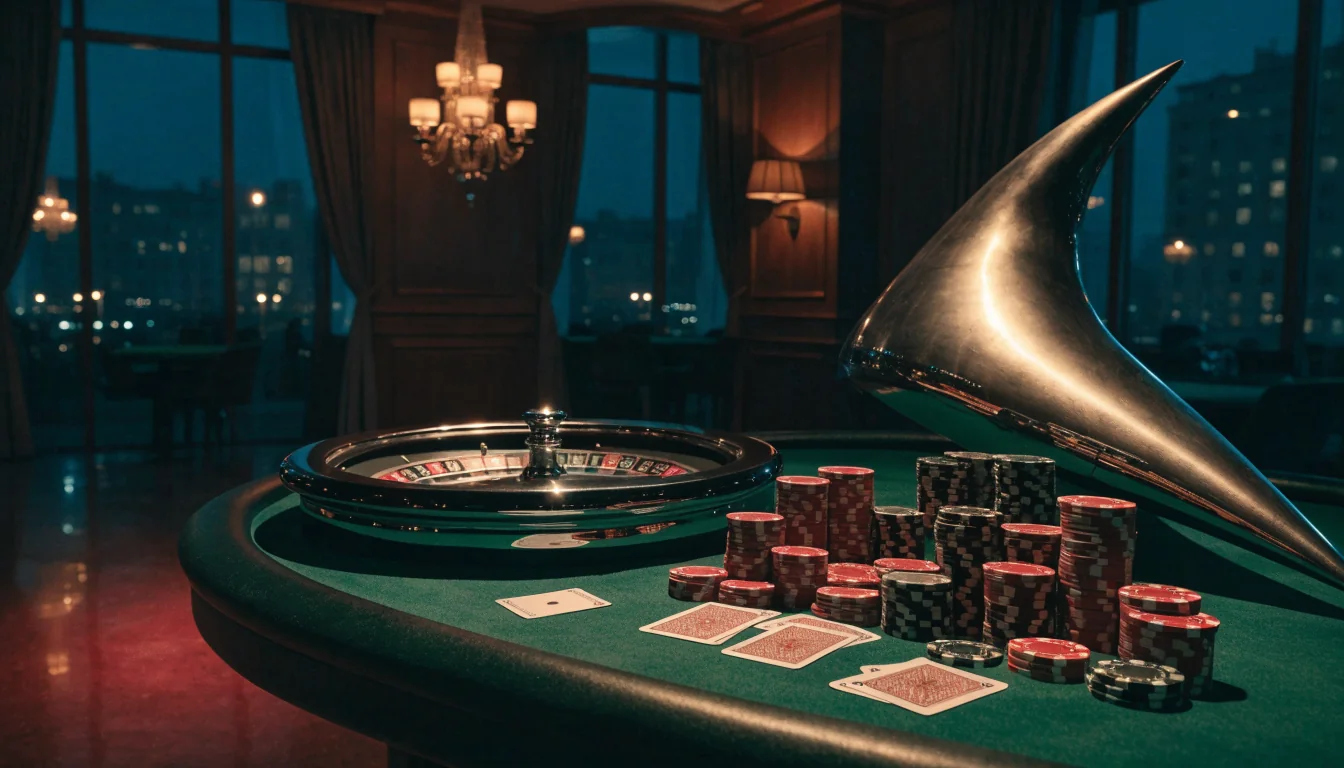
A free-play option, if encountered, should also be kept separate from real-money play. It does not establish that a player can withdraw anything, or that a result in that mode carries over to a later session. No cash value should be inferred from a screen showing a balance or a completed round. Displayed figures can be part of the simulated environment.
Nor does a demo settle whether the game is suitable for someone’s preferences. A short trial may show how the interface is arranged, but it cannot establish how a longer session will feel or what its outcomes will be. A demonstration is a limited view. Nothing more.
That is where “Crazy Time casino tips” can become misleading. Advice built around supposed demo results may imply that a brief practice session reveals a dependable way to play. It does not. A demo, where available, can help explain controls or presentation; it cannot turn observations from a limited session into a reliable forecast. I would separate practical familiarity with a screen from claims about what will happen next.
The same restraint applies to comparisons between casinos. A site describing itself as a top Crazy Time casino does not thereby prove that its version includes a demo, or that the mode has particular features. The label and the actual terms are different things. Check what is explicitly described, and do not fill the gaps with assumptions.
Free play is not a source of real winnings. This section is for entertainment purposes only and is not gambling advice.
Free Play, Free Spins and Live-Table Offers
“Free” can describe different things in casino advertising, and the distinction matters. Free spins are spins on eligible slot games; they are not a general credit for any game on the site. A live table is a separate format, so a slot free-spin offer does not become a way to join a live game.
A specialist review of UK welcome offers reports that most are free spins for slots and cannot be used at live tables. That is a useful distinction, not a promise about every promotion or a permanent rule for every operator. The terms attached to an individual offer determine which games qualify.
This is where searches for a free Crazy Time casino experience can become muddled. A page mentioning casino free spins may be describing an offer for slots, not free access to Crazy Time. Likewise, a live casino review that discusses a game does not, by itself, establish that the game can be played without staking money. The wording around an offer needs to be read literally.
I separate the game from the promotion. “Free spins” names a particular kind of slot offer. “Free play” might be used loosely in advertising or discussion, but it does not prove that a live game has a free mode, nor does it mean that a slot promotion can be transferred to a live table. For Crazy Time specifically, the existence of a free version or any free-spin arrangement should not be inferred from general welcome-offer language.
That distinction also helps when reading casino reviews. A review may describe live-table access, while a separate promotional page describes slot spins; placing the two on the same site does not make them interchangeable. The practical question is not whether an offer sounds broad, but whether its stated eligible games include the relevant table. If they do not, the free spins do not apply there.
No transfer. No assumption.
For a safe Crazy Time casino search, “safe” should not be treated as a label established by a review or a bonus headline. The promotional wording answers only what the offer covers. It does not establish free access to the game. The clearest reading keeps those claims apart: a slot offer is for slots, and a live-table offer would need to say that live games are eligible.
GamStop Searches and the Limits of What Can Be Verified
The label “not on GamStop” is often used to describe a casino, but the wording alone does not establish what the operator’s status is or whether a particular game is available there. A page mentioning Crazy Time and GamStop is not proof that the game can be played through that site, or that the site’s description is accurate. Those are separate claims.
I have seen how a short label can do a lot of work in casino marketing. It can suggest a clear distinction while leaving important questions unanswered: which company runs the site, what licence it holds, and what its terms actually say. The phrase itself answers none of them. A result described as a non-GamStop Crazy Time casino is still only a description, not independent confirmation.
For the British market, remote gambling operators selling to customers in Great Britain must hold the relevant UK Gambling Commission licence, wherever they are based. Offshore casinos outside that regulatory system do not hold a UKGC licence. That distinction matters more than a site’s chosen wording. It does not, by itself, establish whether a named casino offers Crazy Time or how it handles access to the game.
The same caution applies to wording that links Crazy Time with Evolution. A search result or operator page using both names does not, on its own, verify the relationship between the game, the studio and the casino. Each claim needs evidence from a reliable source; one label cannot stand in for all of it.
GamStop is a self-exclusion programme, but a casino’s claim about being outside it should not be treated as a finding about suitability or safety. Nor does this section identify or recommend any operator. The useful distinction is between what a site says about itself and what can be established about its licence and offer.
Marketing language, not proof.
This is entertainment content, not gambling advice.
Bonuses, Wagering Weight and the Small Print
A bonus headline can make a casino offer look relevant to a live game when the terms say otherwise. The distinction is usually in the wagering contribution: a game may count towards a bonus’s playthrough requirement, but at a lower rate than the amount staked. A stated 10% weighting, for instance, means only a small portion of qualifying play is credited towards that requirement. It does not mean that 10% of a stake is returned.
That difference matters when assessing a Crazy Time casino bonus or a deposit offer promoted alongside live tables. The headline describes the offer; the terms determine which games qualify and how much each contributes. If live play carries a low weighting, using it may make little progress towards clearing the requirement. The bonus balance and any associated winnings can also remain subject to conditions until those requirements are met.
Welcome offers are a separate issue. A specialist review of UK welcome offers describes most as free spins for slots, which cannot be used at live tables. So a casino welcome bonus may be available to a customer without being usable on Crazy Time. The same caution applies to claims framed as a no-deposit bonus: the wording alone does not establish that it applies to a live game, or that a particular Crazy Time promotion exists.
I have seen the headline do the selling while the game weighting does the restricting. Read the conditions as part of the offer, not as a footnote: eligible games, contribution rates, and any limits on stakes or withdrawals can change what the bonus is worth in practice. Do not assume that a live game qualifies simply because it appears in the casino lobby.
For anyone considering an offer, set a budget before playing and check the wagering terms, game weighting and maximum bet conditions before opting in. Bonus play is not a way to improve the odds or guarantee a payout. This is entertainment content, not gambling advice.
Is the house edge the same at online live-dealer casinos?
No. It varies by game and bet: in roulette, straight-up bets have a 2.9% house edge, while other bets have a 2.7% edge.
How do you play live roulette?
Place your bet using the on-screen controls, then follow the dealer spinning the physical wheel. You win if the ball lands on a number you selected.
What types of roulette can you play with a live dealer?
Common types include European, American and French Roulette. American Roulette has 0 and 00, while European Roulette has a single 0; French Roulette gives an even-money bet a half-loss when the ball lands on zero.
How can you win at live-dealer roulette?
You win when the ball lands on a number covered by your bet. No staking system can guarantee a win.
What is the difference between live-dealer baccarat and RNG baccarat?
Live-dealer baccarat is streamed in real time with a human dealer, while RNG baccarat uses a Random Number Generator to produce results.
Created by the ”Skyhills Casino” editorial team.